Strengthening Ethiopia’s Research Future: CDHi Leads National Consultation on Postdoctoral Training
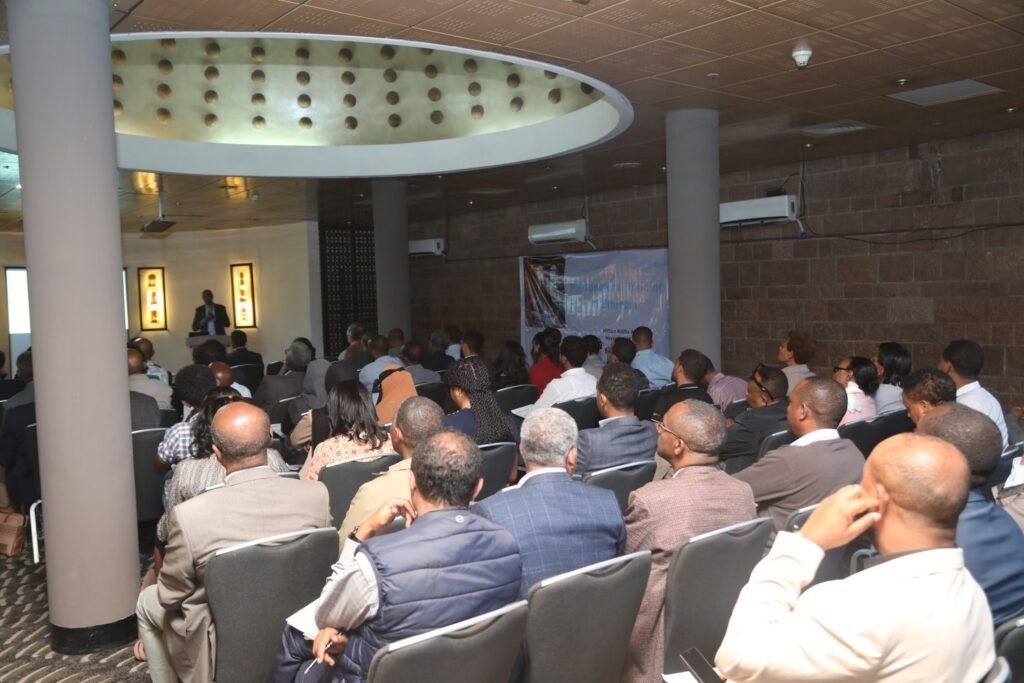
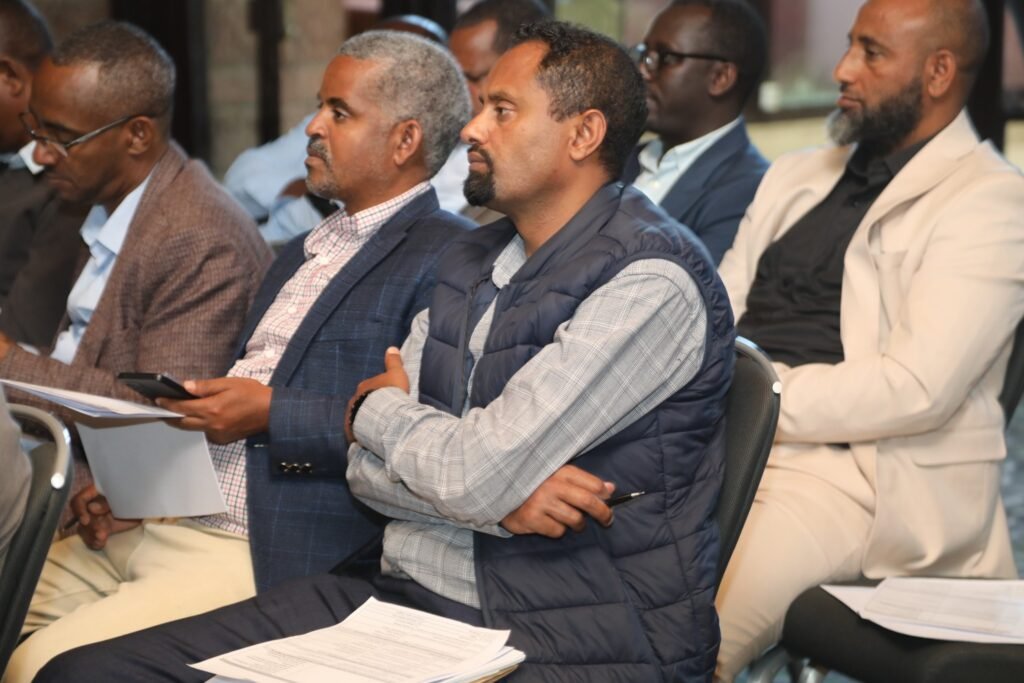
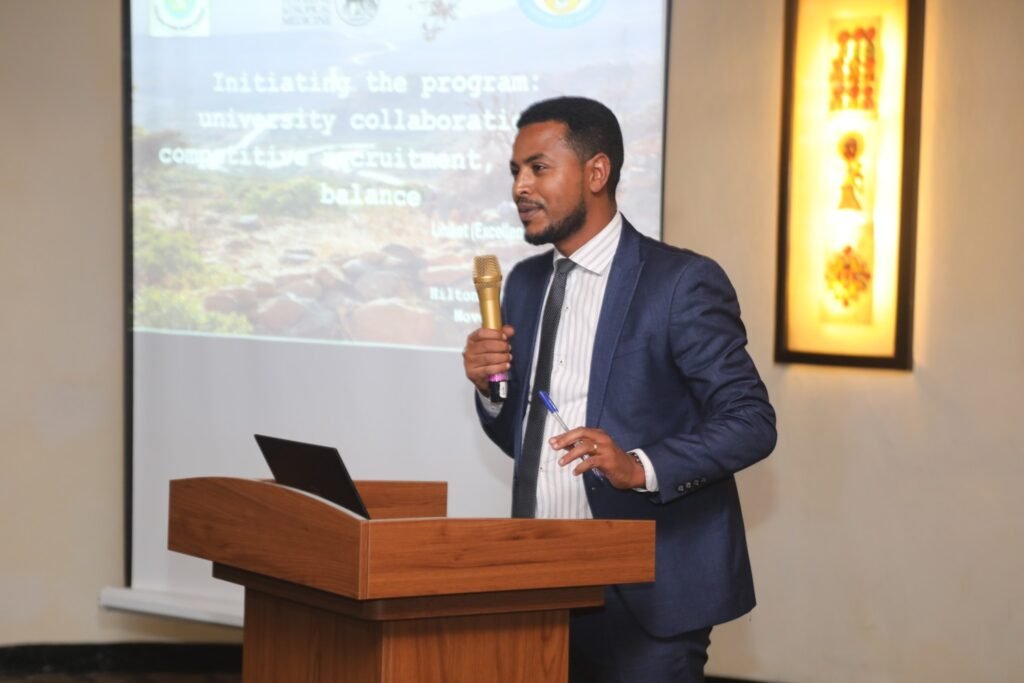
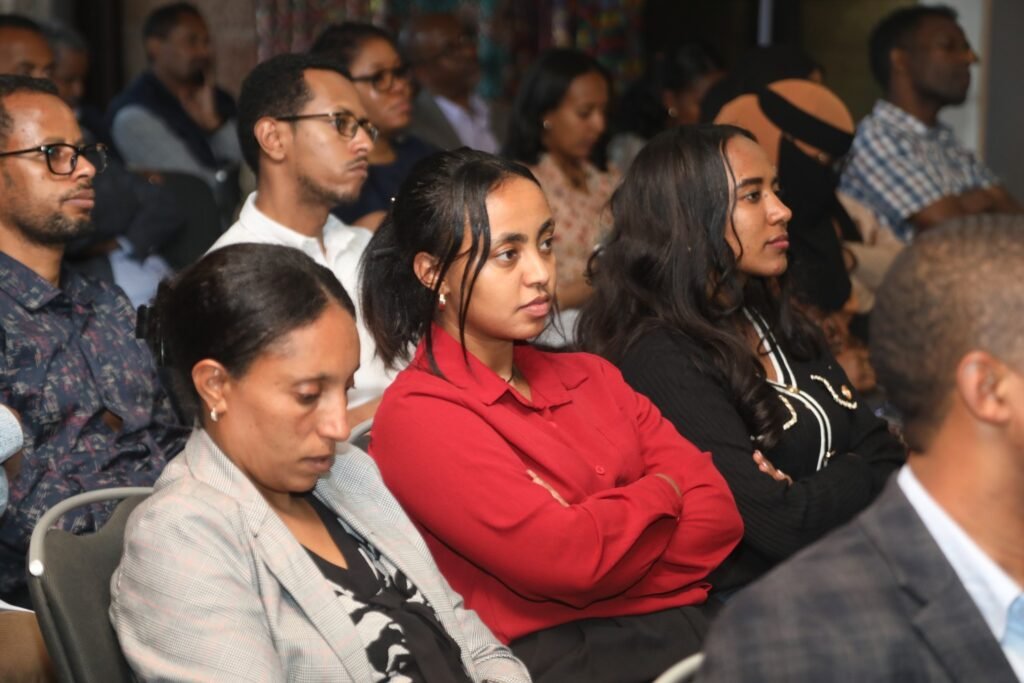
In November 2025, the Center for Digital Health and Implementation Science (CDHi) at the University of Gondar coordinated a national consultative workshop focused on shaping Ethiopia’s postdoctoral training landscape. The event brought together university leaders, government representatives, public health experts, and early-career researchers to discuss current gaps, emerging opportunities, and collective responsibilities for building a strong postdoctoral ecosystem in the country.
A Gathering Anchored in Vision and Collaboration
The event opened with a warm welcome from Dr. Asrat Atsedeweyn 🇪🇹 , President of the University of Gondar , who emphasized the university’s longstanding commitment to advancing health sciences and national capacity development.
He was followed by H.E. Kora Tushune, State Minister for Ministry of Education — Ethiopia . His message highlighted a critical truth: Ethiopia’s rapid expansion of graduate programs must be matched by equally strong postdoctoral pathways to retain talent, enhance local innovation, and elevate scientific contributions.
The keynote address by Mesay Hailu, MPH, PhD , Director at the Ethiopian Public Health Institute, set the tone for the day. He underscored that institutionalizing postdoctoral programs is essential – not optional – for improving the quality of evidence that informs Ethiopia’s public health policies.
Why Postdoctoral Training Matters for Ethiopia Now
Over the last decade, Ethiopia has invested heavily in graduate education across multiple health and science disciplines. Thousands of Master’s and PhD graduates are now entering the workforce with specialized training, yet very few structured postdoctoral opportunities exist within the country.
This lack of postdoctoral pathways creates several challenges:
- Talented researchers leave the country or the academic track
- Institutions struggle to build strong research cultures
- Promising scientific ideas remain underexplored
- Knowledge translation and implementation science lag behind public health needs
The consultative meeting, coordinated by CDHi, created a national space to openly examine these issues and chart a shared direction.
The Need for Postdoctoral Programs in Public Health Research
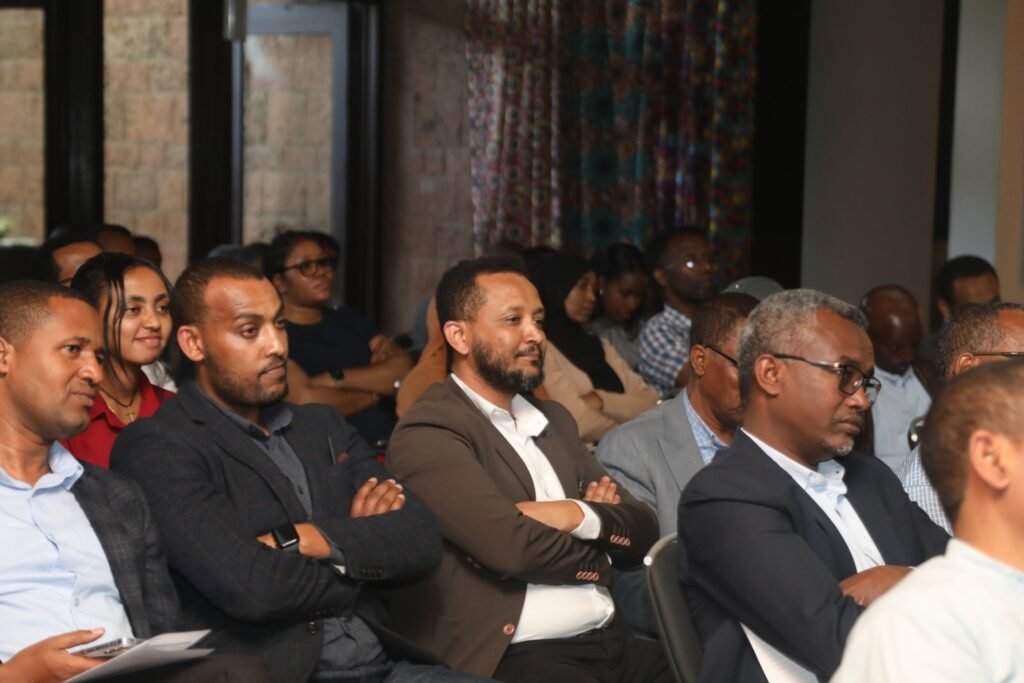
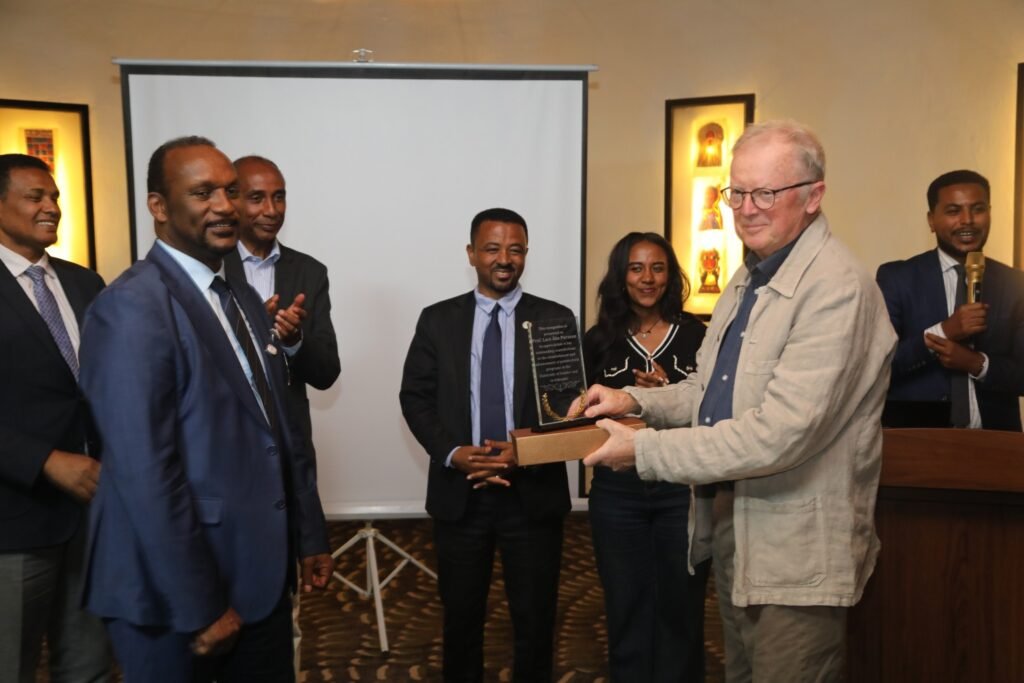
The technical session opened with reflections from leading public health scholars who underscored the growing need for structured postdoctoral pathways in Ethiopia. Prof. Yemane Berhane highlighted the achievements of public health education in the country while emphasizing the urgent demand for advanced research training to cultivate the next generation of scientific leaders. Building on this, Prof. Lars-Åke Persson provided an international perspective, illustrating how well-organized postdoctoral programs accelerate innovation, strengthen academic culture, and ultimately improve population health outcomes. Together, their insights made the message unmistakably clear: Ethiopia is ready for postdoctoral programs, and the health sector needs them now more than ever.
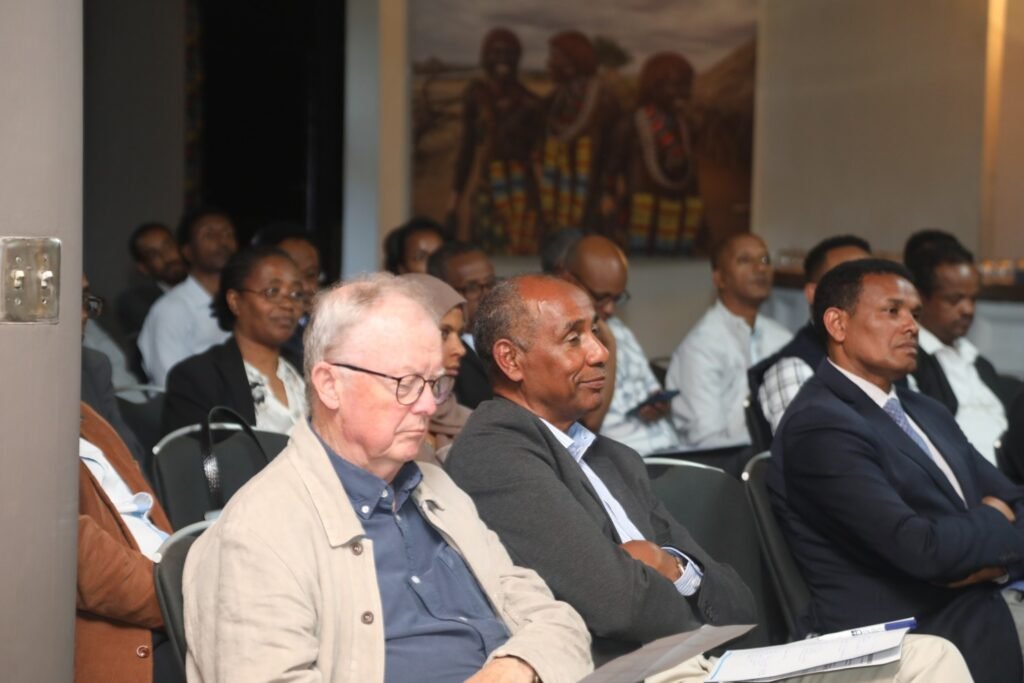
A substantial portion of the discussion focused on what a meaningful and globally competitive postdoctoral program should entail. Speakers emphasized the importance of strong governance structures, transparent recruitment, and collaborative engagement across universities. They also highlighted mentorship as a core pillar – not simply as academic supervision, but as a long-term professional relationship that shapes scientific identity and career direction. Experts working in routine health information systems, HDSS platforms, and RMNCAH+N programs further demonstrated how structured postdoctoral research can directly enhance service delivery, community health outcomes, and data-driven policymaking. Their collective reflections reinforced the immense potential of a national postdoctoral training ecosystem that is both rigorous and responsive to Ethiopia’s health priorities.
Institutionalizing Postdoctoral Programs Across Ethiopia
The discussions also turned toward practical considerations for establishing sustainable postdoctoral structures within Ethiopian universities and research institutions. Speakers from Addis Ababa University , including Dr. Solomon Shifera, Dr. Meselech Assegid, and Dr. Robel Yirgu (Ph.D.) , shared valuable lessons from their early efforts to build such programs. They emphasized the importance of strong policy support, well-prepared mentors, and a clear alignment of postdoctoral initiatives with national research and public health priorities. Their perspectives highlighted both the opportunities ahead and the strategic work required to build a robust, future-ready postdoctoral ecosystem in Ethiopia.
University of Gondar’s Pathway Forward
Representing one of Ethiopia’s best research universities, Prof. Kassahun Alemu Gelaye discussed UoG’s commitment to institutionalizing postdoctoral training and the supportive role of CDHi in expanding implementation science, digital health research, and collaborative projects.
HDSS Universities’ Perspectives
Dr. Ansake Worku and Dr. Merga Dheresa emphasized the unique opportunity HDSS sites offer as research ecosystems- natural laboratories for fellows to conduct population-level research.
The final wrap-up remarks by Professor Aster Tsegaye powerfully summarized the day: Ethiopia stands on the threshold of a transformational shift in its research ecosystem, and the time to strengthen postdoctoral pathways is now.
CDHi’s Leadership: Driving the Future of Digital Health and Implementation Science
Throughout the event, CDHi’s presence was visible – in coordination, participation, moderation, and technical expertise. Several speakers and panelists were members of CDHi, reflecting the center’s leadership role in national capacity building.
CDHi continues to champion:
✔ Evidence-based decision making
Through advanced data analytics, HDSS engagement, and national digital health initiatives.
✔ Skills development and mentorship
Through CBMP – Capacity Building and Mentorship Program in Ethiopia , LIHIKET 2.0, and our ongoing collaborative research training programs.
✔ Digital transformation of health systems
Through partnerships with EPHI, Ministry of Health, global universities, and international collaborators.
✔ Expanding research ecosystems
By supporting early-career researchers, implementing learning platforms, and promoting interdisciplinary collaboration.
This event represents yet another milestone in CDHi’s mission to build a digitally enabled, knowledge-driven, and research-centered public health system in Ethiopia.
A Milestone for Ethiopia’s Research Future
The consultative meeting on Postdoctoral Training in Ethiopia was more than an event- it was a national conversation about the country’s scientific future.
For Ethiopia to compete globally, solve local health system challenges, and build resilient institutions, strong postdoctoral programs are not just beneficial- they are essential. CDHi is honored to have played a central role in facilitating this important dialogue.
As the country moves forward, CDHi remains committed to championing digital health innovations, strengthening implementation science, and nurturing the next generation of Ethiopian researchers.