
CDHi Leads National FHIR Workshop and Connectathon to Advance Health Interoperability in Ethiopia
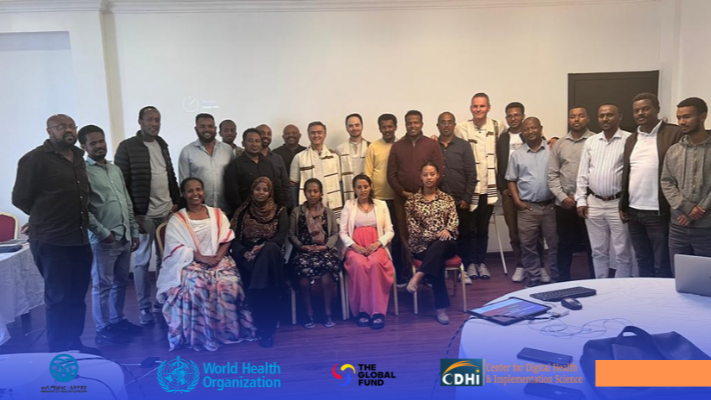
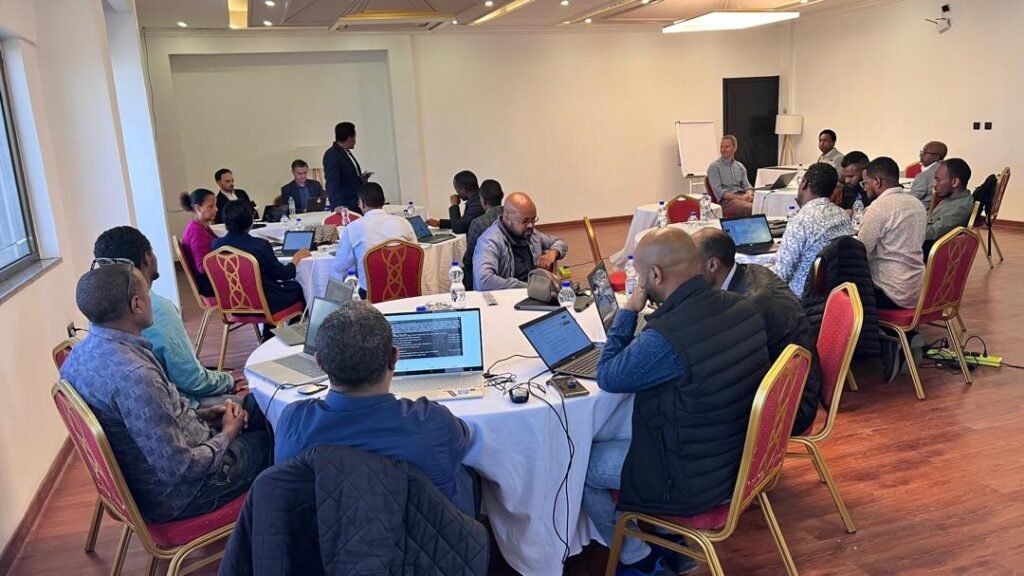
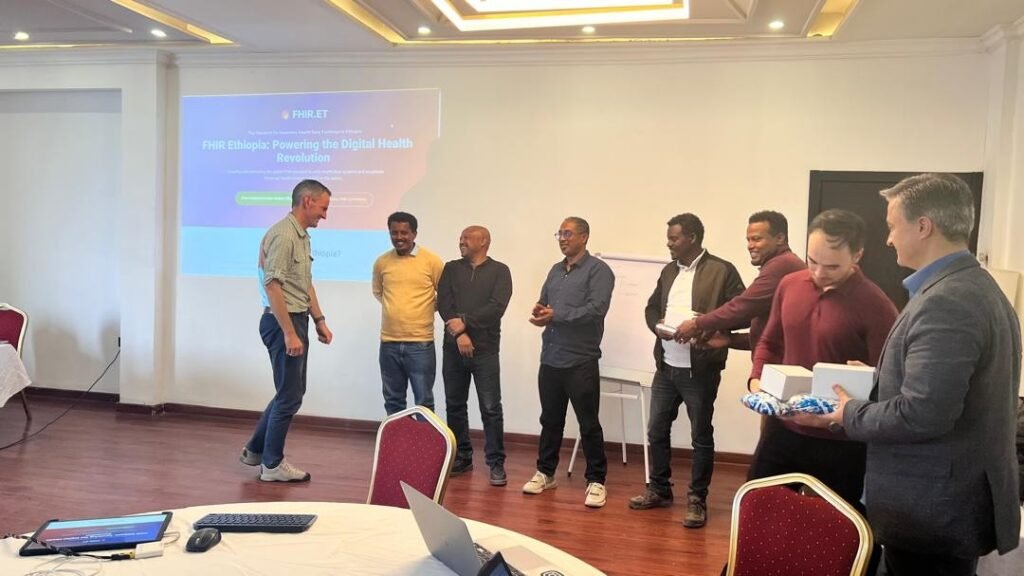
CDHi- Center for Digital Health and Implementation Science at the University of Gondar in collaboration with Ministry of Health, World Health Organization, and The Global Fund, successfully prepared and led the Ethiopia FHIR Workshop and Connectathon, held from December 9-12, 2025, in Addis Ababa. The five-day workshop, which was held at the Mazeki Addis Boutique Hotel, brought together national program leaders, experts, software developers, health informaticians, and system analysts to improve Ethiopia’s ability to use the FHIR standard for health data interoperability.
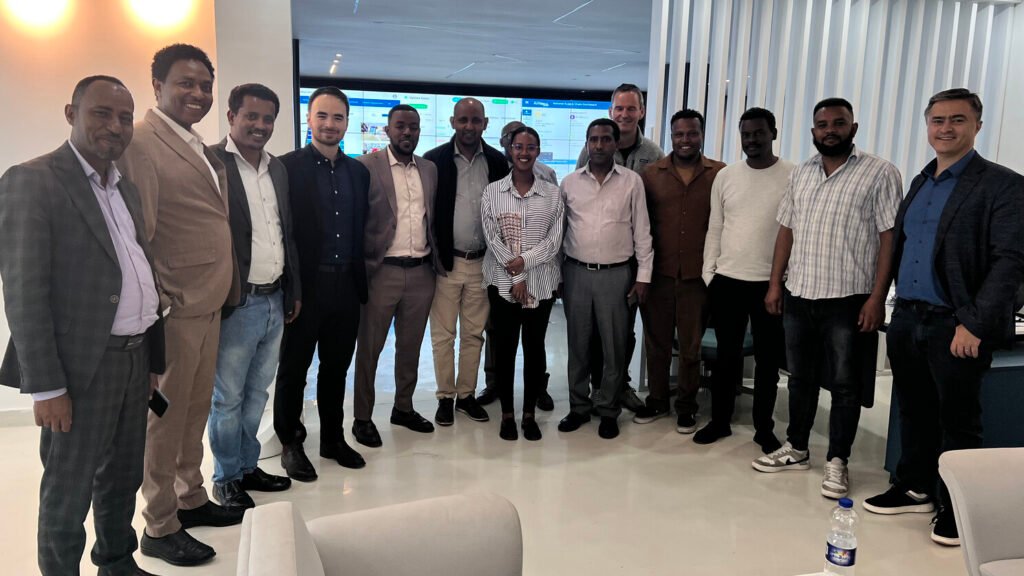
The workshop was organized as a strategic technical forum to support national digital health priorities, particularly under the Global Fund Digital Health Impact Accelerator (DHIA) grant context. Its primary objectives were to build practical skills for developing a national FHIR Implementation Guide, finalize pending HIV DAKs validation activities, and lay a solid foundation for migrating priority health domains, beginning with HIV, to interoperable, standards-based digital architectures.
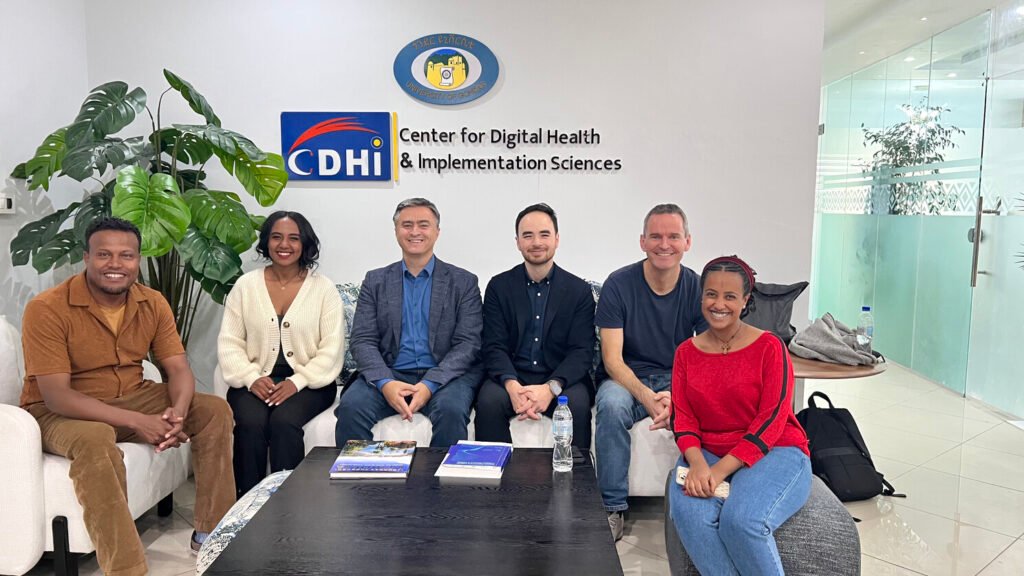
CDHi played a central leadership and technical role throughout the workshop. The Center led the overall planning and coordination, hosted preparatory engagements with partners, and co-facilitated key sessions across both the technical and validation tracks. CDHi experts provided contextual guidance to ensure that FHIR IG development was tailored to Ethiopia’s health system realities, supported hands-on profiling of core resources such as the patient profile, and facilitated the parallel HIV DAKs validation review in collaboration with program teams. CDHi’s leadership ensured close integration between technical work and program requirements, reinforcing a collaborative model that bridges digital standards with real-world health programs.
As Ethiopia continues its digital health transformation, the workshop focused on a key national challenge, turning policy commitments on interoperability into real technical skills and practical implementation. Initial assessments at the start of the workshop showed that participants were highly interested in interoperability, but most had little or no previous experience with FHIR. This confirmed the need for a well-structured, hands-on training approach that built technical skills while also validating them through real program use.
MoH provided strategic oversight and policy direction, opening the workshop through senior leadership from the Digital Health and HIV programs. MoH presentations highlighted national digital health challenges, priorities, and the road-map for leveraging interoperability under ongoing reforms. WHO contributed specialized technical expertise, particularly in FHIR fundamentals, Implementation Guide authoring methodologies, HL7 Application Programming Interface FHIR server implementation, and the linkage between FHIR and WHO SMART Guidelines and DAKs. Throughout the workshop, WHO worked in close partnership with CDHi and MoH, offering coaching and global best practices while aligning all outputs with national ownership and governance structures.
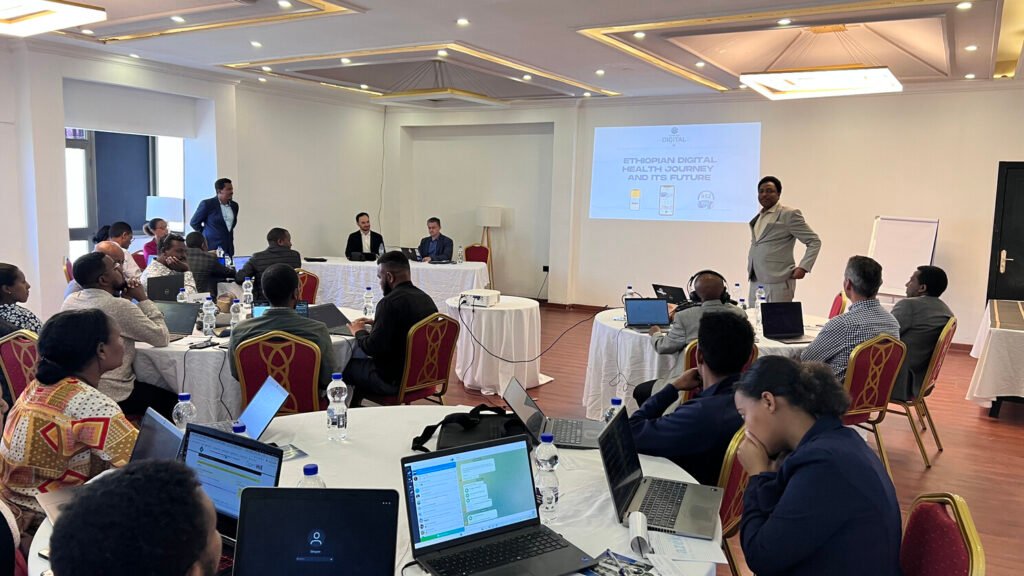
Key discussions and activities spanned high-level orientation sessions, parallel technical and validation tracks, and intensive hands-on practical work. Participants collectively developed Ethiopia’s FHIR Implementation Guide, finalized the HIV DAKs data dictionary validation review, and successfully installed and configured a local HAPI FHIR server tailored to the Ethiopian context. By the end of the workshop, trainees were able to transfer national FHIR profiles to the server environment and gained a clearer understanding of how FHIR supports SMART Guidelines and future system integration.
Looking ahead, the workshop concluded with agreement on roles, responsibilities, and follow-up actions to advance Ethiopia’s FHIR. Planned next steps include refining and governing the national FHIR IG, expanding its application to additional health domains, and progressing from IG authoring to real-world system implementation in alignment with national digital health architecture and priorities.
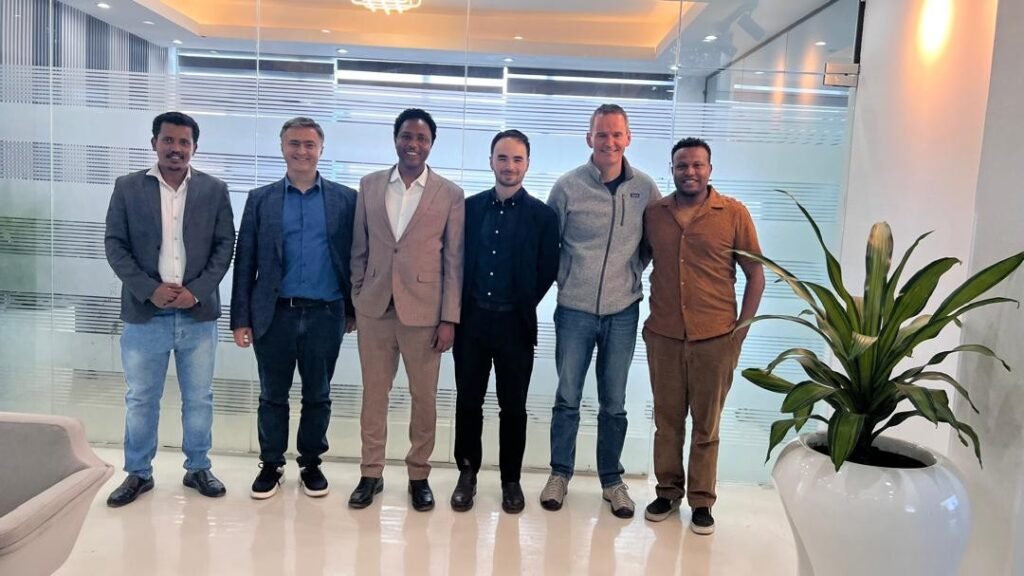
Through this workshop, CDHi reaffirmed its commitment to supporting Ethiopia’s health system through technical leadership, capacity strengthening, and effective partnerships. By working hand in hand with the MoH and the WHO, CDHi continues to play a pivotal role in translating global digital health standards into nationally owned, sustainable solutions that strengthen data use, integration, and health outcomes across Ethiopia.
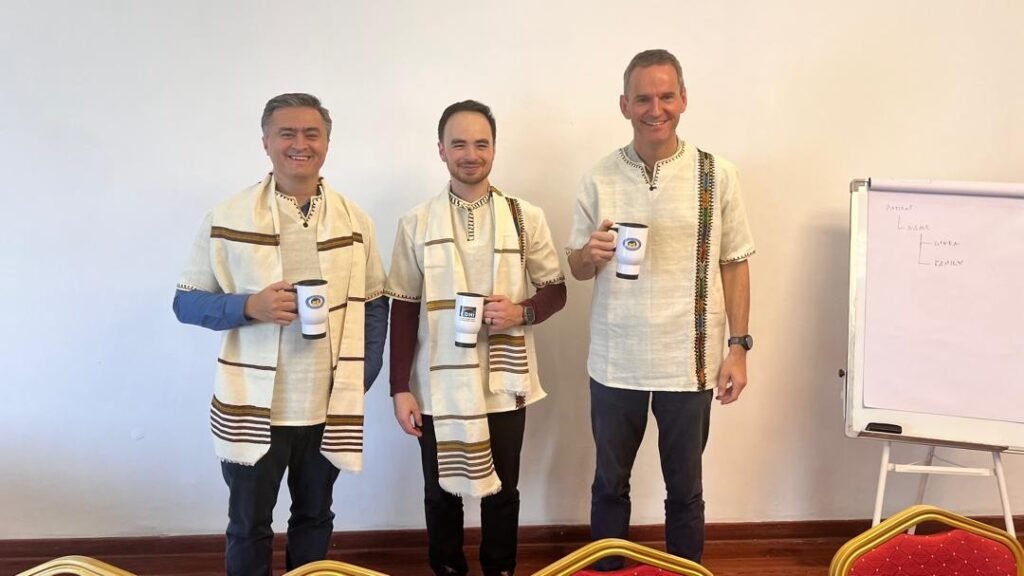
CDHi continues to lead Ethiopia’s digital health transformation through research, capacity building, and implementation science. By fostering collaborations that turn innovative ideas into tangible results, CDHi is at the forefront of advancing technology, policy, and community-centered solutions to strengthen the nation’s health system. As digital health evolves, CDHi remains committed to shaping a healthier future for Ethiopia.
You may also like

𝐉𝐨𝐛 𝐕𝐚𝐜𝐚𝐧𝐜𝐲: Associate researcher

𝐉𝐨𝐛 𝐕𝐚𝐜𝐚𝐧𝐜𝐲: Multimedia Communication Officer
