
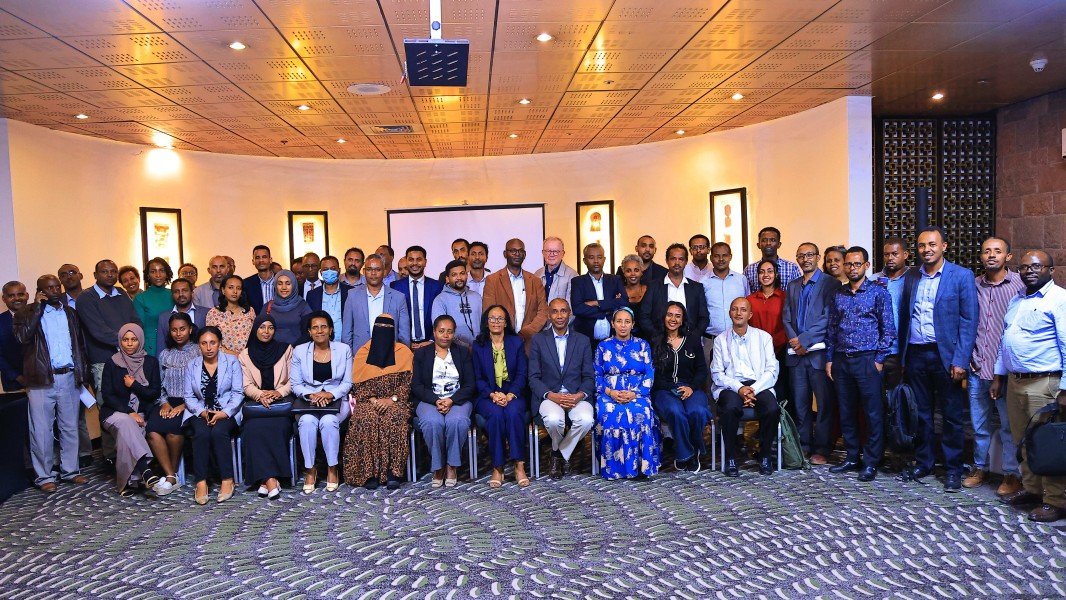
CDHi, EPHI, and LSHTM Led the National Panel on Postdoctoral Training
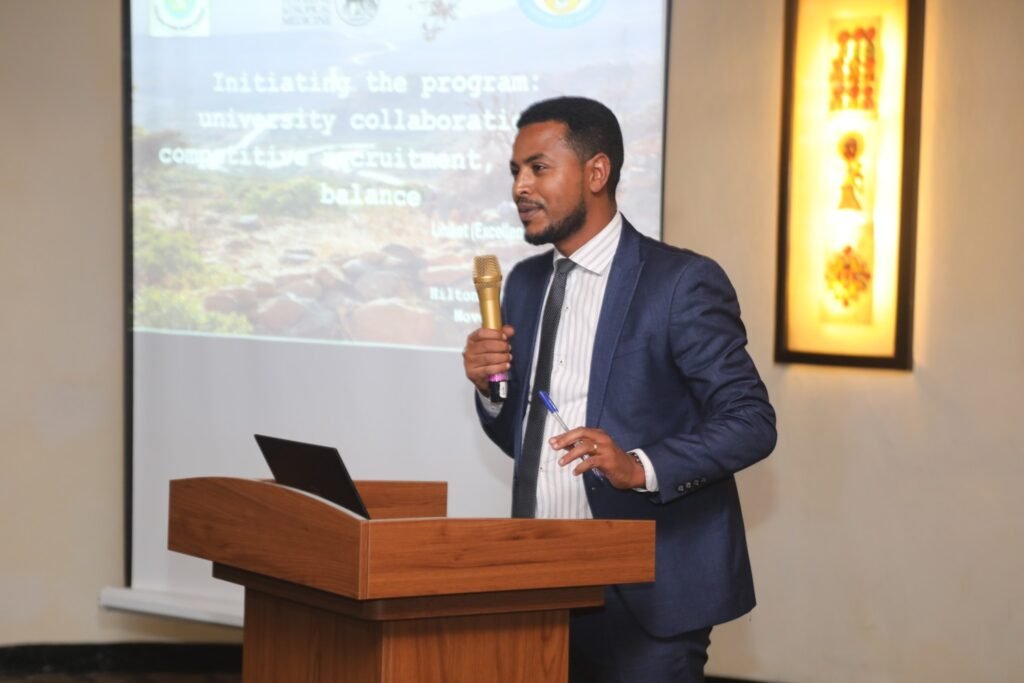
In November 2025, the Center for Digital Health and Implementation Science (CDHi) at the University of Gondar coordinated a national consultative workshop focused on shaping Ethiopia’s postdoctoral training landscape. The event brought together university leaders, government representatives, public health experts, and early-career researchers to discuss current gaps, emerging opportunities, and collective responsibilities for building a strong postdoctoral ecosystem in the country.
Opening Remarks From National Leaders
The event opened with a warm welcome from Dr. Asrat Atsedeweyn 🇪🇹 , President of the University of Gondar , who emphasized the university’s longstanding commitment to advancing health sciences and national capacity development.
He was followed by H.E. Kora Tushune, State Minister for Ministry of Education — Ethiopia . His message highlighted a critical truth: Ethiopia’s rapid expansion of graduate programs must be matched by equally strong postdoctoral pathways to retain talent, enhance local innovation, and elevate scientific contributions.
The keynote address by Mesay Hailu, MPH, PhD , Director at the Ethiopian Public Health Institute, set the tone for the day. He underscored that institutionalizing postdoctoral programs is essential – not optional – for improving the quality of evidence that informs Ethiopia’s public health policies.
Why Postdoctoral Training Matters
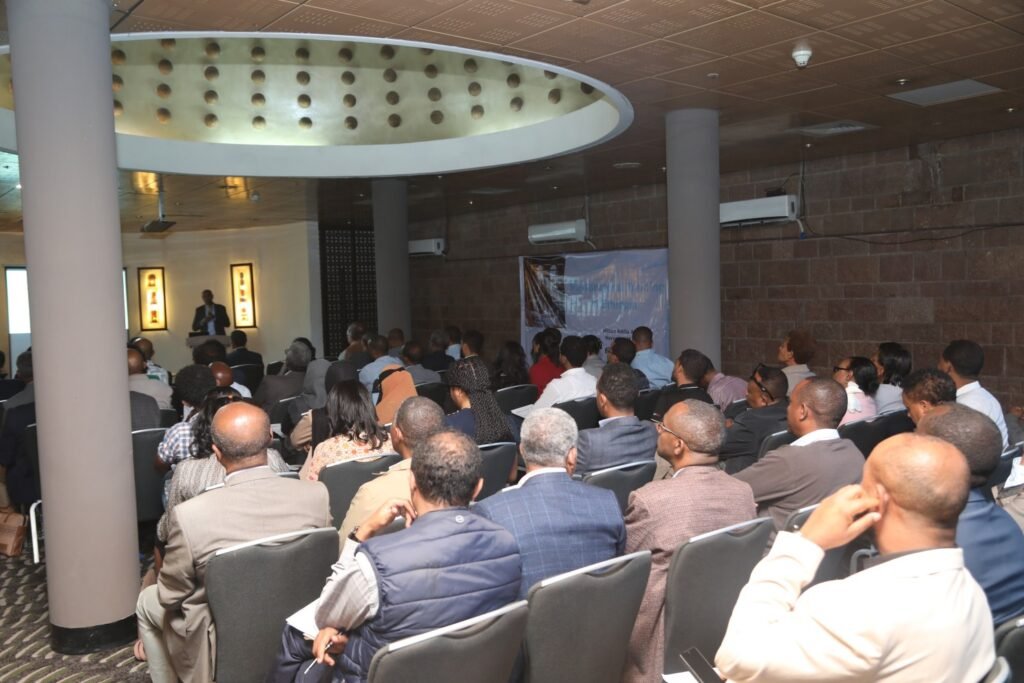
Participants noted that Ethiopia has invested significantly in graduate education, but the absence of structured postdoctoral opportunities limits research advancement. This gap affects talent retention, slows innovation, and weakens the development of strong academic and research cultures.
Expert Reflections on Postdoctoral Needs
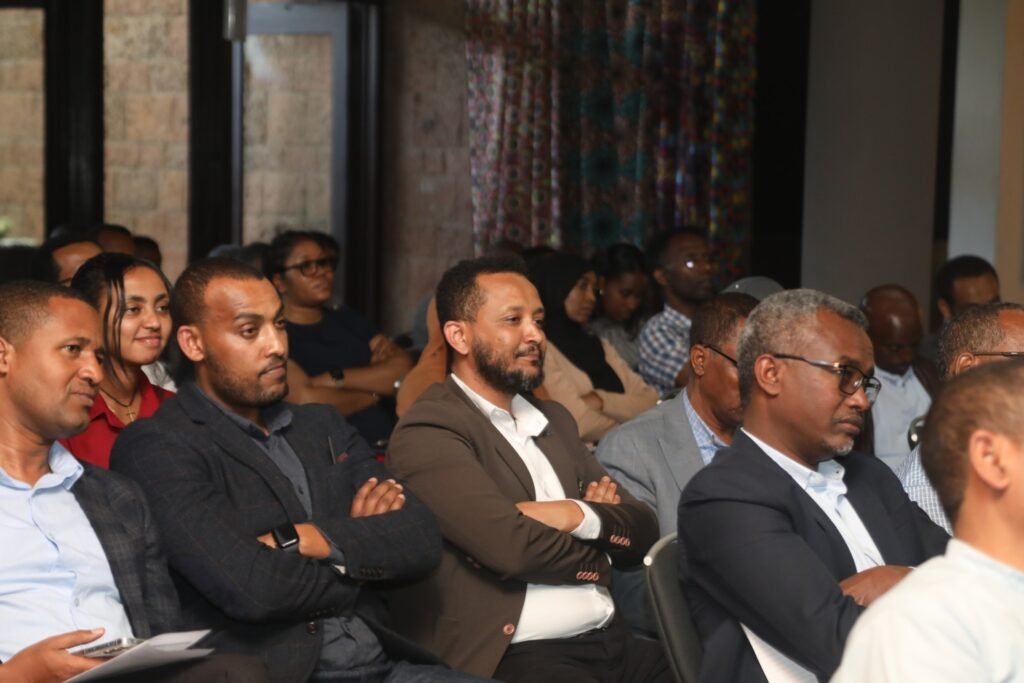
Public health scholars shared insights on how structured postdoctoral programs can strengthen scientific leadership, improve research quality, and support national health priorities. Discussions emphasized mentorship, strong governance, transparent recruitment, and collaboration across institutions as core elements of successful postdoctoral programs.
Institutional Perspectives and Future Directions
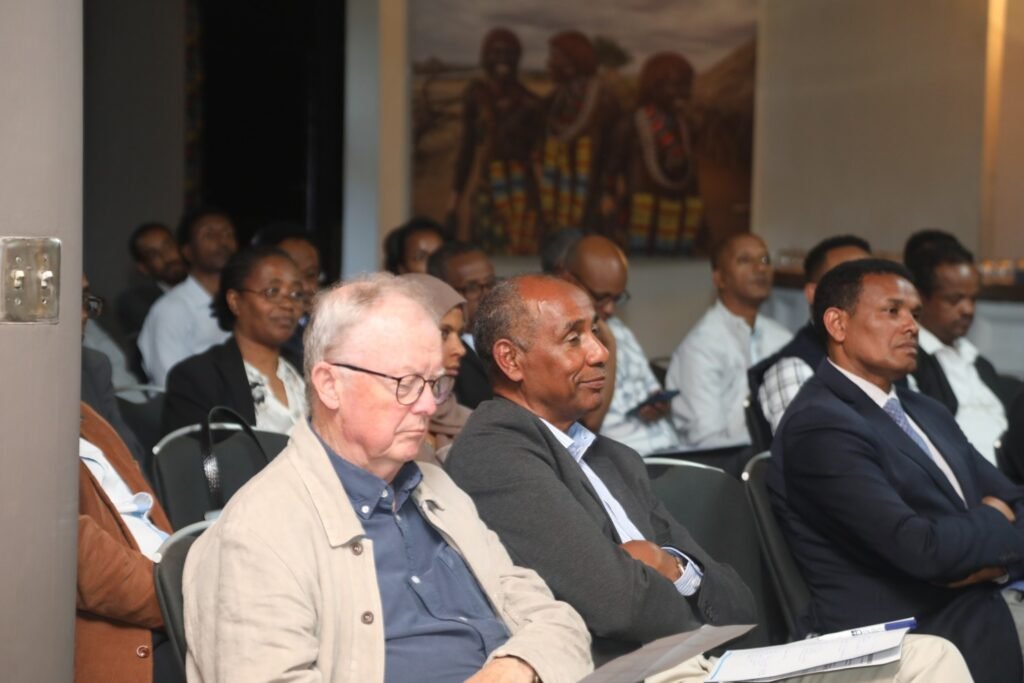
Universities and research institutions reflected on early experiences and outlined key requirements for developing sustainable postdoctoral structures. The University of Gondar reaffirmed its commitment to expanding implementation science and digital health research through CDHi’s leadership.
HDSS universities also highlighted their unique role as population-based research environments that can provide valuable opportunities for postdoctoral fellows.
CDHi’s Continued Leadership
Throughout the workshop, CDHi’s contributions were visible in its coordination, facilitation, and technical expertise. The center continues to lead national efforts in:
- Evidence-based decision-making
- Research mentorship and capacity building
- Digital health transformation
- Expanding research ecosystems for early-career scientists
Looking Ahead
The national consultation marked a significant step toward strengthening Ethiopia’s research capacity. Establishing strong postdoctoral programs is essential for supporting innovation, informing policy, and building resilient institutions. CDHi remains committed to advancing digital health, implementation science, and nurturing the next generation of Ethiopian researchers.
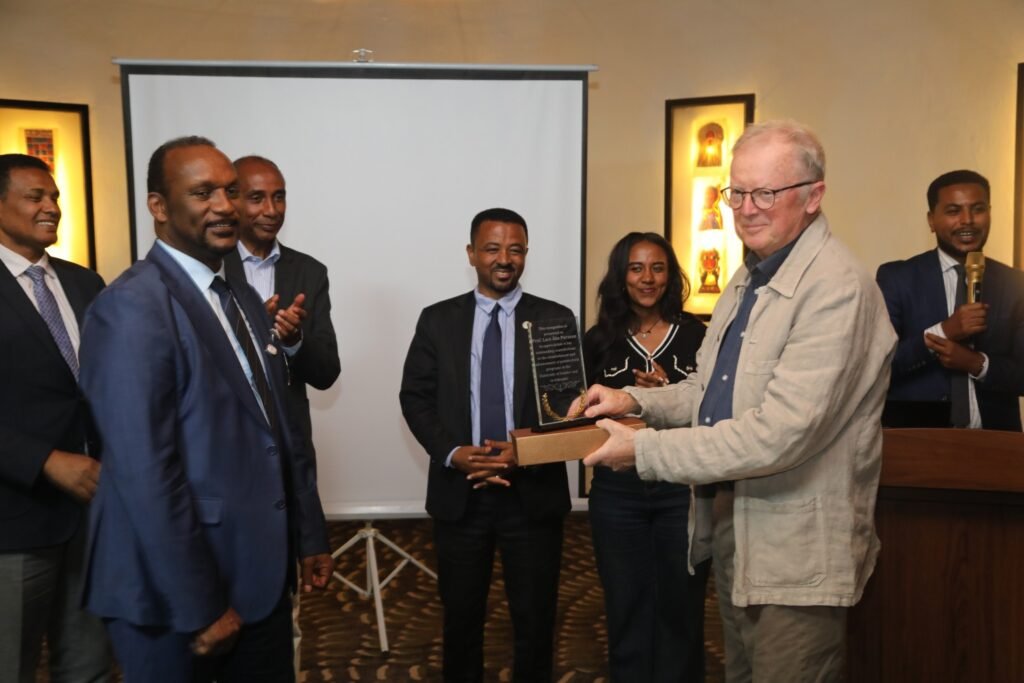
As the country moves forward, CDHi remains committed to championing digital health innovations, strengthening implementation science, and nurturing the next generation of Ethiopian researchers.
You may also like

𝐉𝐨𝐛 𝐕𝐚𝐜𝐚𝐧𝐜𝐲: Associate researcher

𝐉𝐨𝐛 𝐕𝐚𝐜𝐚𝐧𝐜𝐲: Multimedia Communication Officer
